
Mindfulness Depression Relief: Embracing Calm and Clarity
Living with the weight of depression can feel overwhelming. The fog of sadness, the restless mind, and the struggle to find joy can make each day a challenge. Yet, there is a gentle, accessible tool that can help you navigate these difficult moments: mindfulness. By learning to be present and kind to yourself, you can begin to ease the grip of depression and discover a path toward peace.
Mindfulness is more than just a practice; it’s a way of relating to your thoughts and feelings with openness and compassion. It invites you to slow down, breathe, and reconnect with the present moment. This connection can be a powerful ally in your journey toward healing.
How Mindfulness Depression Relief Works
Mindfulness depression relief is about cultivating awareness without judgment. When you practice mindfulness, you learn to observe your thoughts and emotions as they arise, without getting caught up in them. This shift in perspective can reduce the intensity of negative feelings and help you respond to them more skillfully.
For example, instead of spiraling into self-criticism when a sad thought appears, you might notice it gently and say to yourself, “This is a moment of sadness. It will pass.” This simple act of noticing can create space between you and your feelings, allowing you to choose how to respond rather than reacting automatically.
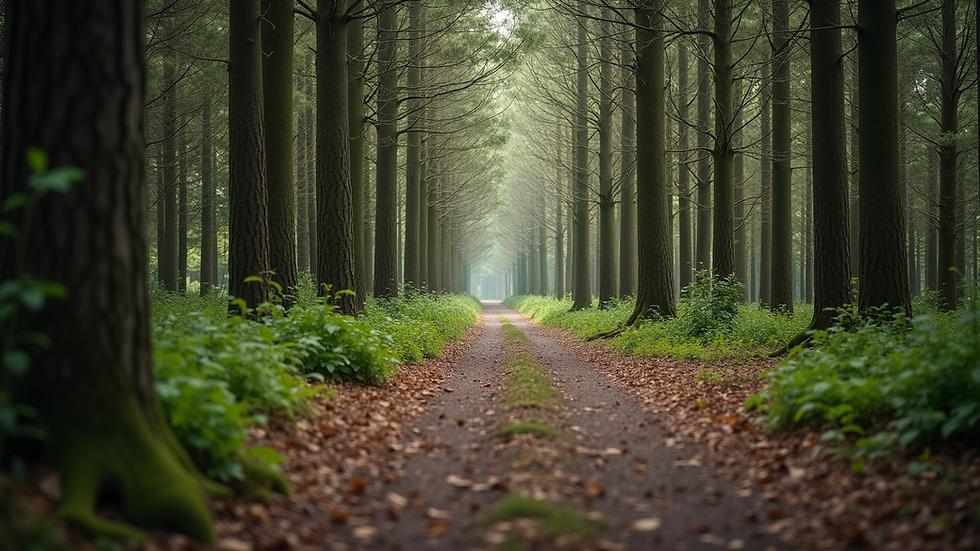
In practical terms, mindfulness can be practiced through meditation, breathing exercises, or mindful movement like walking in nature. Even a few minutes a day can make a difference. The key is consistency and kindness toward yourself.
The Science Behind Mindfulness and Depression
Research shows that mindfulness can change the way your brain processes emotions. It helps reduce activity in areas linked to rumination and worry, which are common in depression. At the same time, it strengthens regions associated with emotional regulation and self-awareness.
One study found that people who practiced mindfulness regularly experienced fewer depressive episodes and reported feeling more resilient. This is because mindfulness encourages you to face your emotions directly, rather than avoiding or suppressing them. Over time, this builds emotional strength and reduces the power of negative thoughts.
If you’re curious about how to start, consider joining a guided mindfulness retreat or a local class. Immersive experiences, especially those set in nature, can deepen your practice and provide a supportive community.
What are the 5 C's of Mindfulness?
Understanding the 5 C's of mindfulness can help you develop a balanced and effective practice. These qualities guide you in how to approach your experience with care and curiosity:
Curiosity - Approach your thoughts and feelings with interest, as if you are exploring something new.
Compassion - Treat yourself with kindness, especially when you encounter difficult emotions.
Commitment - Stay dedicated to your mindfulness practice, even when it feels challenging.
Confidence - Trust in your ability to handle whatever arises during your practice.
Calmness - Cultivate a peaceful state of mind that supports clarity and relaxation.
By embracing these qualities, you create a safe space within yourself where healing can begin. Remember, mindfulness is not about perfection but about gentle awareness.
Practical Tips to Incorporate Mindfulness into Your Daily Life
You don’t need hours of free time or special equipment to practice mindfulness. Here are some simple ways to bring mindfulness into your everyday routine:
Start with your breath: Take a few moments each day to focus on your breathing. Notice the sensation of air entering and leaving your body. If your mind wanders, gently bring it back.
Mindful walking: When you walk, pay attention to the feeling of your feet touching the ground, the sounds around you, and the rhythm of your steps.
Body scan: Lie down or sit comfortably and slowly bring your attention to different parts of your body, noticing any tension or relaxation.
Mindful eating: Savor each bite of your meal. Notice the flavors, textures, and smells without rushing.
Pause and observe: Throughout your day, take brief pauses to check in with your thoughts and feelings. Acknowledge them without judgment.
These small moments of mindfulness can add up, helping you build resilience and reduce stress.

Embracing Mindfulness for Depression in Nature
Nature has a unique way of grounding us. When combined with mindfulness, it becomes a powerful tool for depression relief. The sights, sounds, and smells of the natural world invite you to slow down and be present.
Imagine walking through a quiet canyon or sitting by a flowing stream. As you breathe in the fresh air, you can practice mindfulness by tuning into the sensations around you. Notice the colors of the rocks, the rustle of leaves, or the warmth of the sun on your skin.
At 3rd Wave Mindfulness, we specialize in immersive mindfulness experiences in Southern Utah. Our guided retreats and hikes are designed to help you connect deeply with nature and yourself. These experiences can be transformative, offering a break from daily stress and a chance to reset your mind.
If you’re interested in exploring mindfulness for depression, consider joining one of our retreats or trying our innovative VR mindfulness sessions. These options provide supportive environments where you can cultivate calm and clarity.
Moving Forward with Mindfulness
Starting a mindfulness practice can feel intimidating, but remember that every step counts. Be patient with yourself and celebrate small victories. Over time, you’ll likely notice a greater sense of peace and a softer relationship with your thoughts and emotions.
If you ever feel stuck, reach out for support. Whether it’s a mindfulness teacher, a therapist, or a supportive community, you don’t have to walk this path alone.
Mindfulness is a gift you give yourself - a way to find light even in the darkest moments. By embracing it, you open the door to healing and hope.
If you want to learn more about how mindfulness can support your mental health, explore mindfulness for depression and discover resources tailored to your journey.


Comments